STORIES

The moments
that shaped
the work.

These are not case studies written from a distance. They are moments I remember — the people, the uncertainty, the decisions, and the lessons that stayed with me.

Together, they trace how the work evolved from responding to immediate needs to building connections, opportunities and collective action.

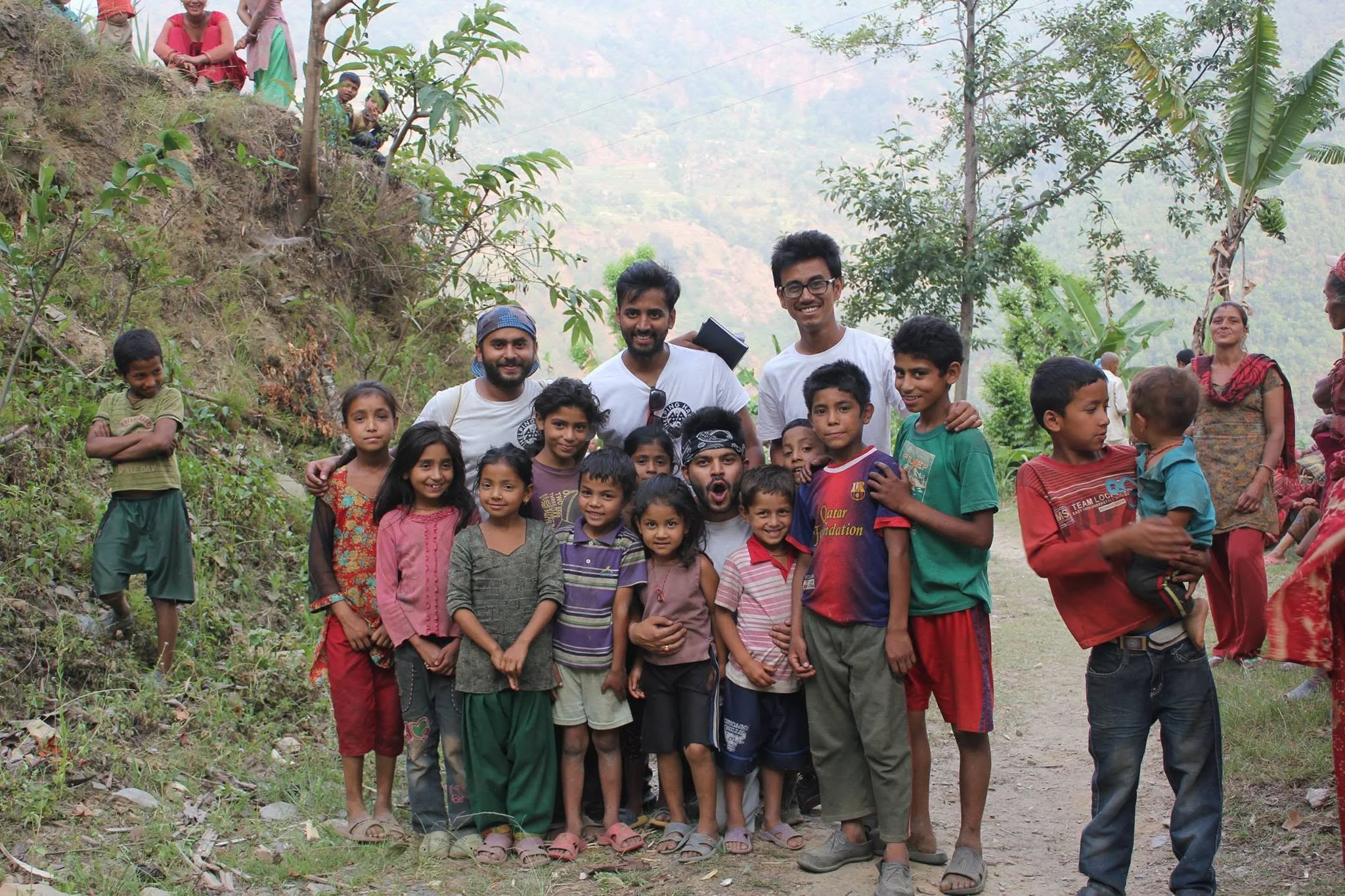
Community members and volunteers working together in Nepal
The moments that shaped the work.
STORY 01
WHEN A COMMUNITY REBUILDS

WHEN A COMMUNITY REBUILDS

What happens when a community learns to rebuild itself?

The 2015 earthquake left thousands of families without homes.

Working with Helping Hands, the response initially focused on relief. But once the immediate emergency passed, another question became impossible to ignore:

How do people rebuild their lives?

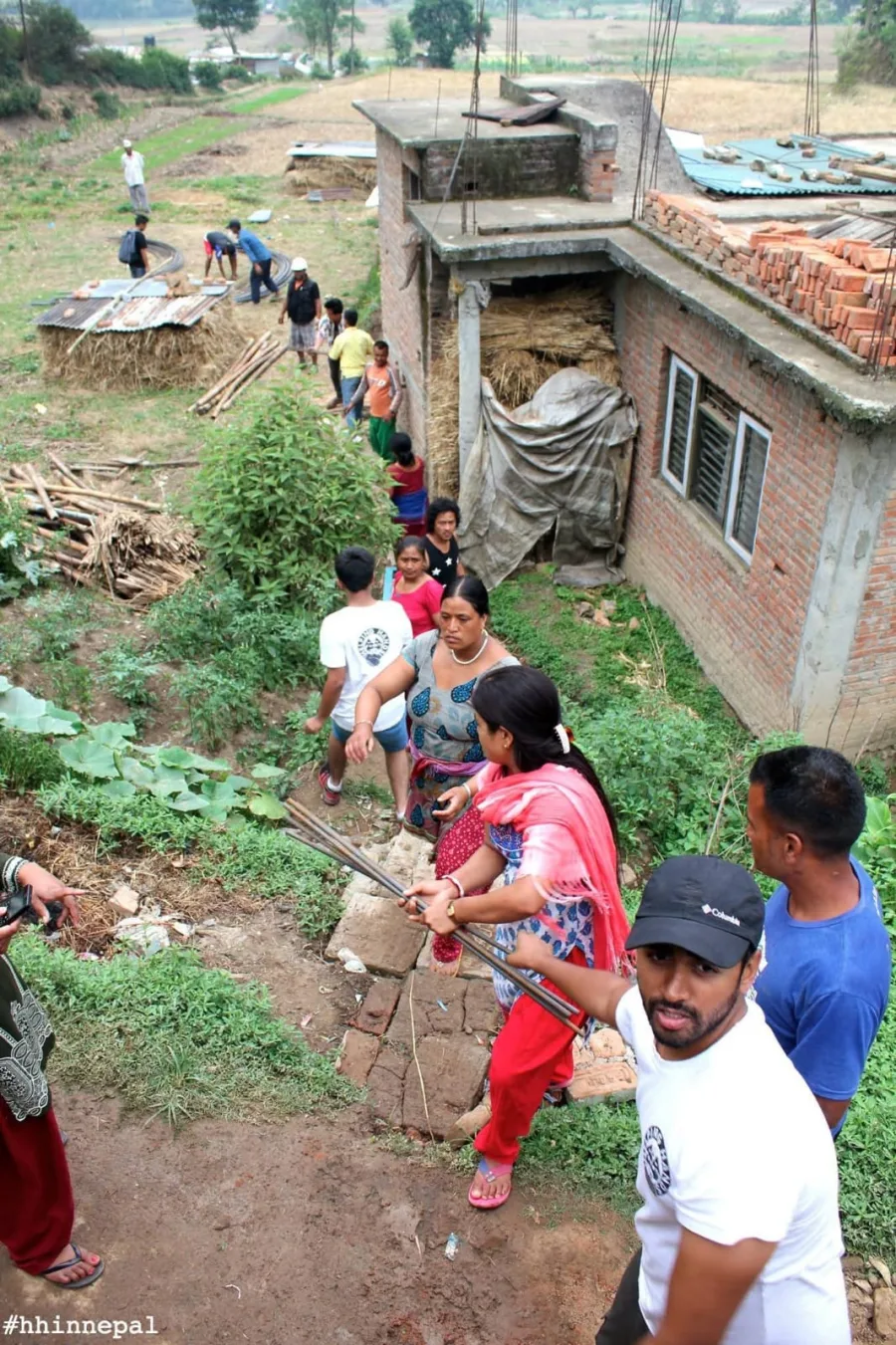
The team set out to help rebuild homes in affected communities.

A small group of volunteers could build only a handful of houses at a time. If five or ten people were doing everything themselves, the number of homes they could complete would always be limited.

So the approach changed.

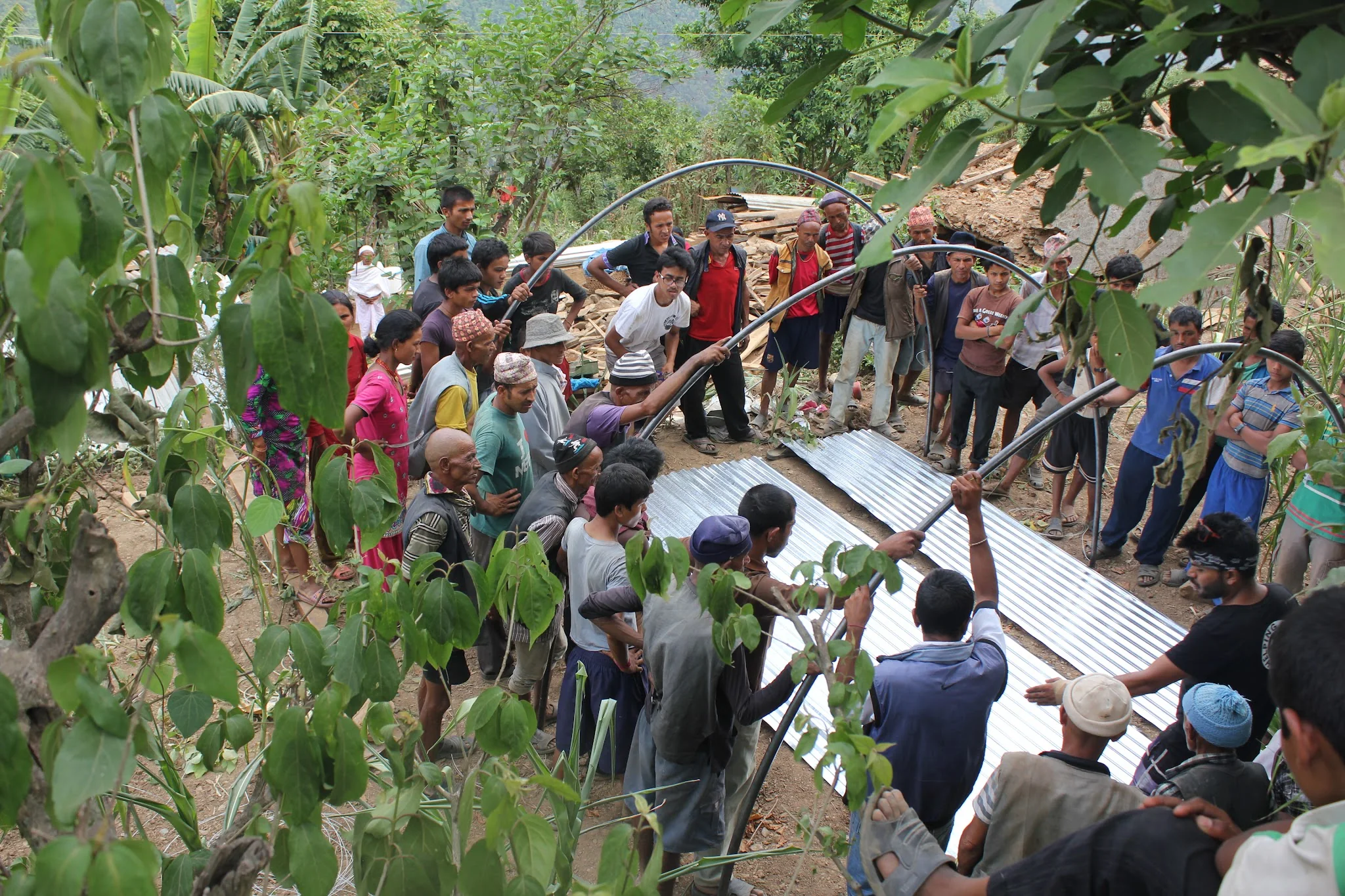
The volunteers built the first homes and taught the villagers how to build them.

In Dolkha, around 15 homes were completed in the first two to three days. But the real work was happening alongside the construction. The villagers were learning the process.

Once they knew how to do it, they started building themselves.

Then they taught their neighbours.

Helping Hands provided the materials. The community provided the labour, knowledge and ownership.

Within the following days, villagers were constructing their own homes and sending photographs and details of their progress back to the team.

The model multiplied.

These were not simply structures.

They were places where families could return, rebuild and begin their lives again.

THE LESSON

Five volunteers can build a few houses. A community that knows how to build can rebuild an entire neighbourhood.

When people come together as one, something that looks impossible can become possible — and sometimes the journey of making it happen can become a shared experience of learning, participation and even joy.
STORY 02
WHAT PEOPLE REBUILD AFTER LOSS

WHAT PEOPLE REBUILD AFTER LOSS

What can we learn from people who have lost almost everything?

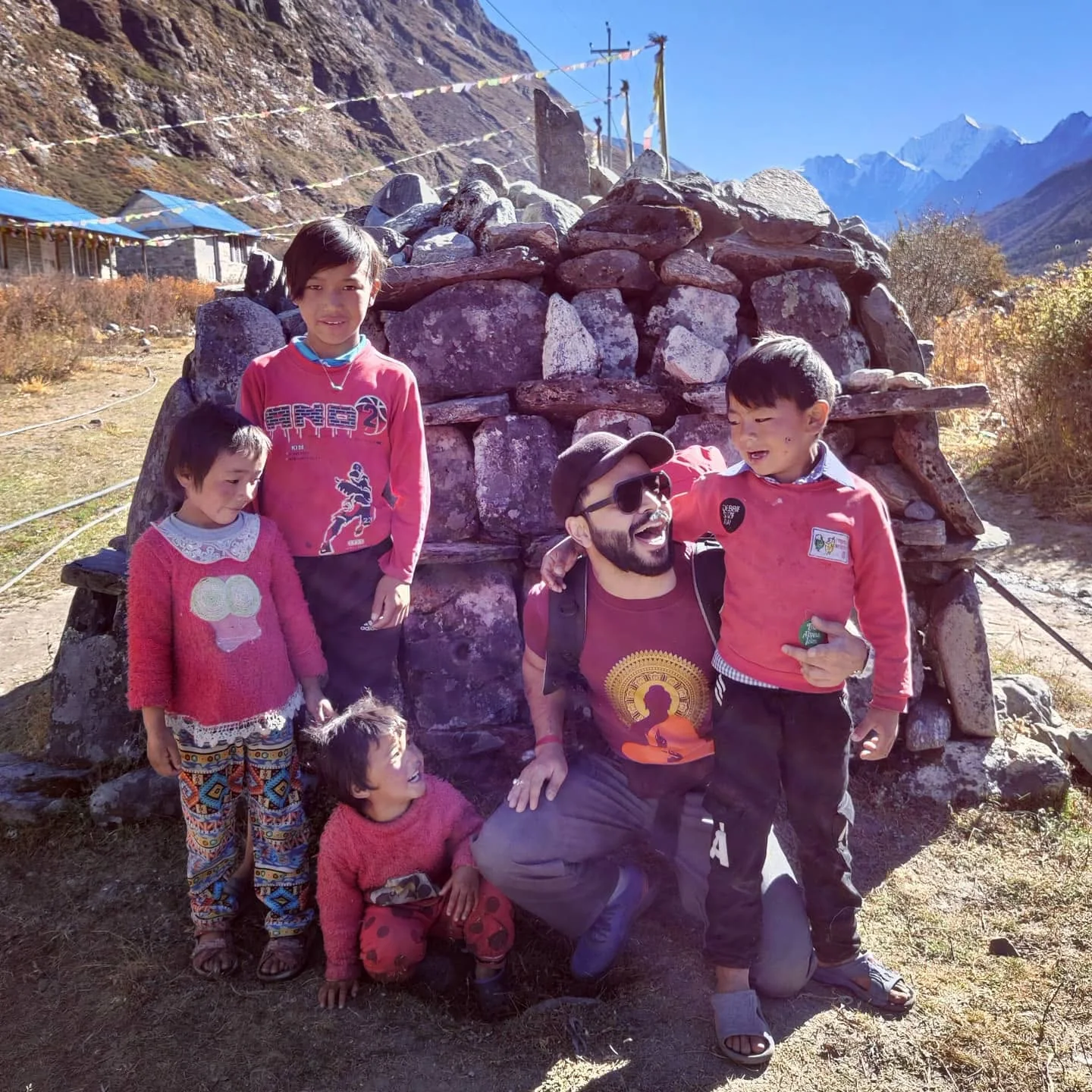
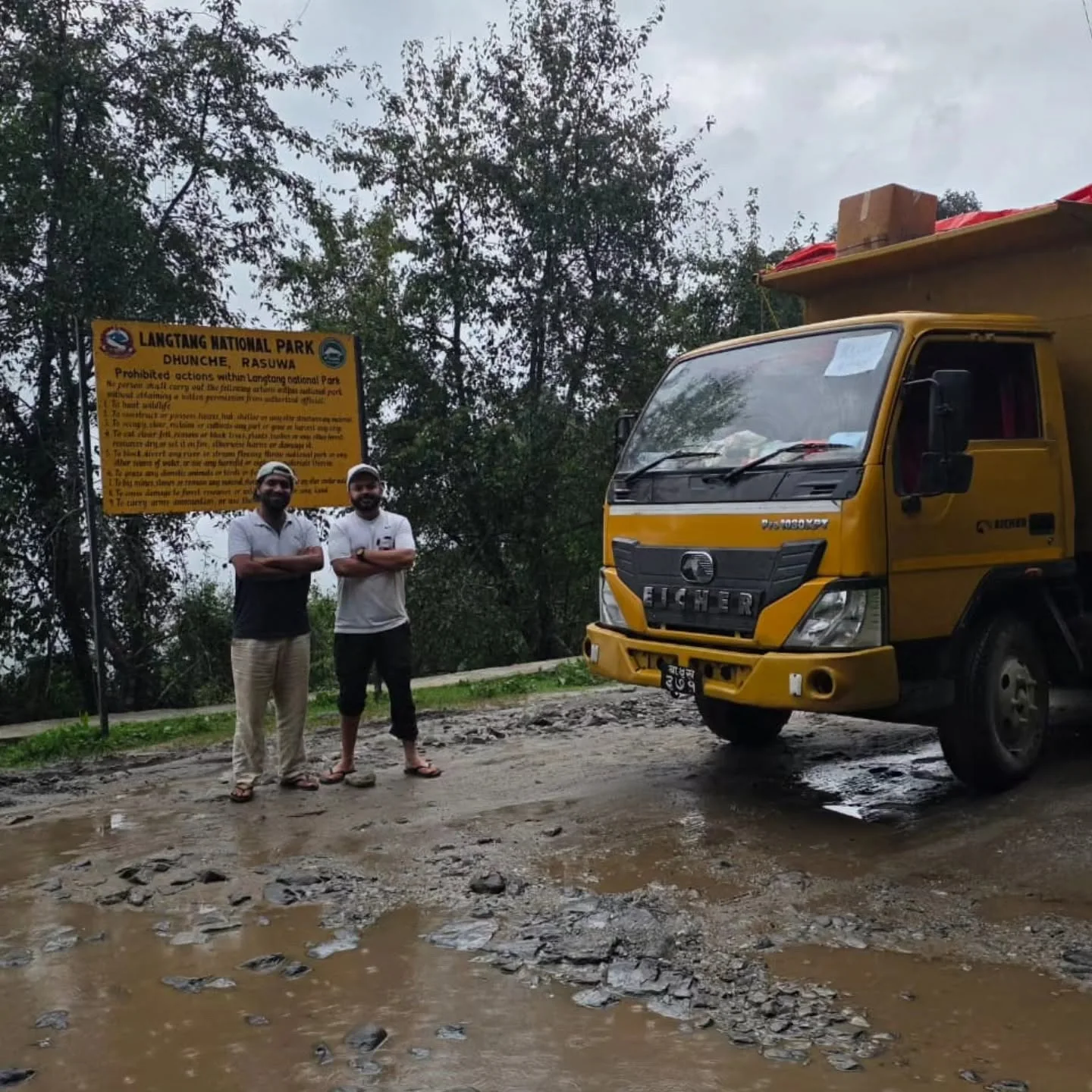
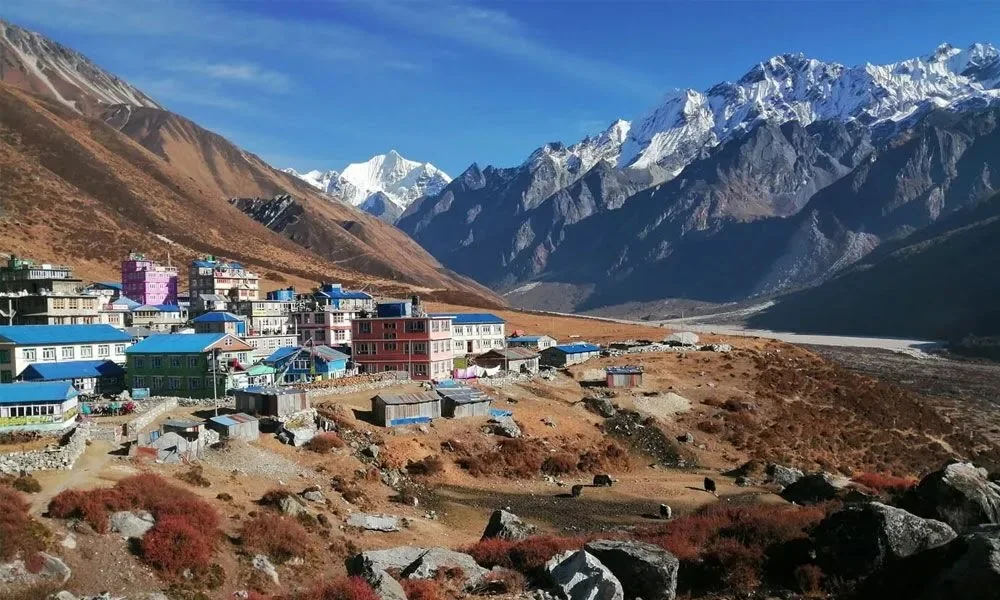
In 2015, the earthquake and the destruction that followed devastated communities in Langtang Valley.

When we travelled there in 2020, five years had passed.

The landscape still carried the memory of what had happened.

People from the community narrated their experiences and what they had lived through.

Among them was an elderly woman who had lost both her son and her husband.

And yet what stood out was not only her loss.

It was her spirit.

She was warm, jovial and remarkably enthusiastic about life.

Five years after losing so much, she and the community had rebuilt.

Homes had been reconstructed. A new settlement had emerged. The community had created a life around the ruins of what had once been there.

They had not forgotten what happened.

They had simply refused to let the tragedy become the end of their story.

THE LESSON

Sometimes we travel to help others and return having learned something ourselves.

The people we think need our help can teach us about resilience, hope and the extraordinary ability of human beings to rebuild.

STORY 03
THE SECOND DAY

THE SECOND DAY

When the lockdown began, help had to find a way.

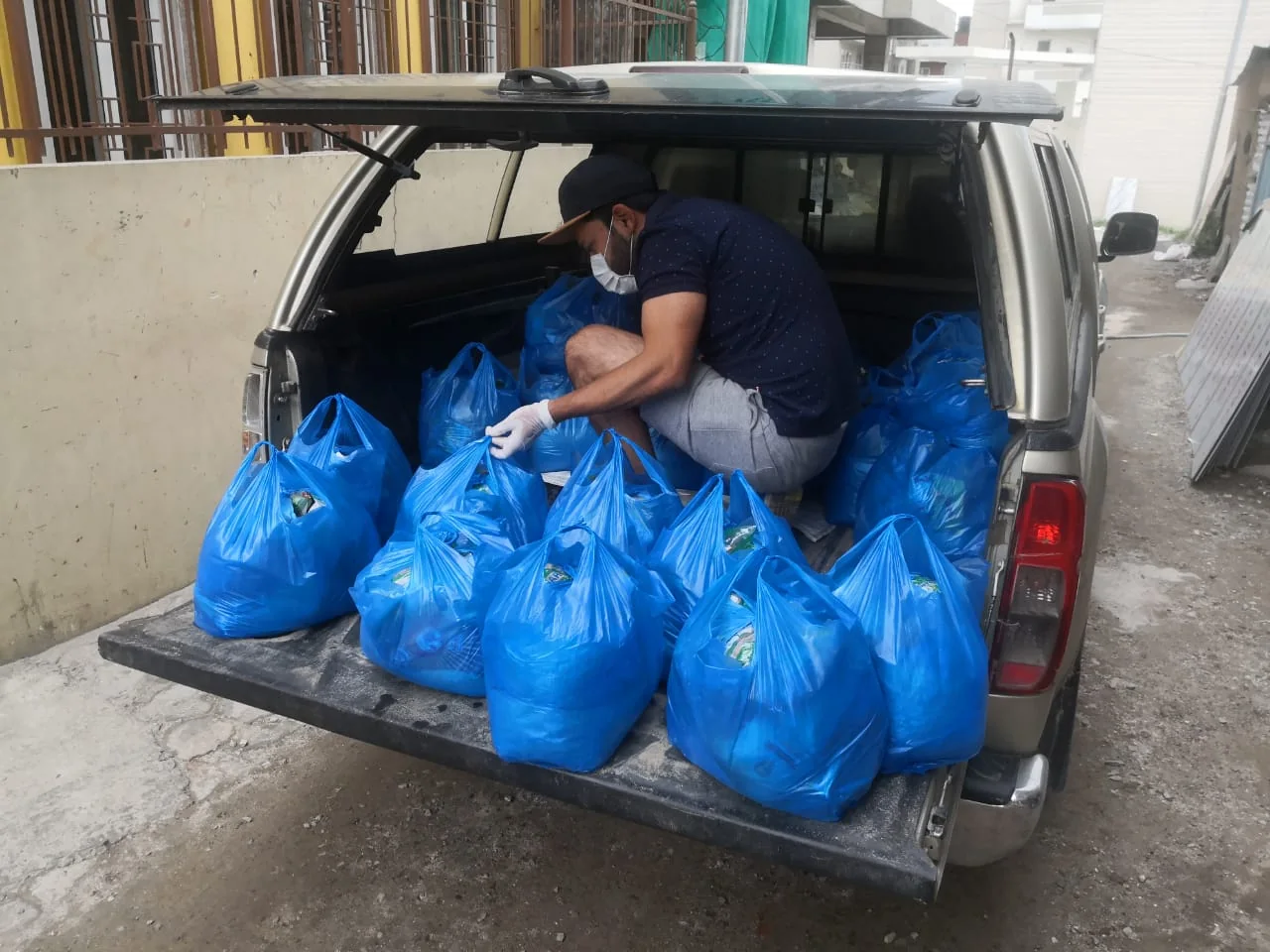
The COVID-19 response began on the second day of the lockdown.

The concern was immediate.

Daily-wage workers depended on being able to work every day to put food on their tables. If people were asked to remain at home for days or weeks, many would quickly run out of the resources needed simply to survive.

So food supplies were arranged and distributed to people who needed them.

But providing relief during a pandemic was unlike ordinary relief work.

The country was trying to contain the spread of a highly contagious virus. Movement was restricted. Police were working to enforce the lockdown and prevent further contamination.

At the same time, people without resources still needed food.

That meant finding a way to do both.

The team worked closely with the police, understanding their concerns and finding practical ways to move safely and provide assistance to people who were suffering.

As requests began coming in, the initiative evolved.

It became a request-and-relief response.

Wherever a genuine request came from, the need was understood and the appropriate relief was arranged.

Food was one need.

But the larger principle was simple:

Tell us what is needed, and we will try to find a way to help.

The response became less about following a predetermined programme and more about responding to what people actually needed.

THE LESSON

COVID taught me that sometimes the biggest challenge isn't finding people willing to help. It is finding a safe and practical way to connect that willingness with someone who needs it.

When the world was told to stop moving, helping people meant finding a way to keep help moving.

STORY 04
PEOPLE WERE READY TO HELP

PEOPLE WERE READY TO HELP

What if the real problem isn't willingness — but the connection?

When Robin Hood Army became part of my journey, I saw a different side of social work.

The starting point was simple: there was food that could be used, and there were people who needed it.

But the more I became involved, the more I realised that food was only one part of the story.

The work connected ordinary people, restaurants, businesses and volunteers with organisations and communities already serving people in need.

People gave time.

Businesses gave resources.

Volunteers showed up.

Some days the contribution was large; on other days it was simply someone deciding to spend a few hours helping.

What stayed with me was how often people were already willing to contribute.

They did not necessarily need another reason to care.

They needed a practical way to participate.

That experience shaped a belief that has stayed with me ever since: social impact is not always about creating more people who want to help.

Sometimes it is about making it easier for the people who already do.

THE LESSON

Many people want to contribute. They often just need a way to come together.

STORY 05
LISTEN BEFORE YOU ACT

LISTEN BEFORE YOU ACT

What changes when you begin with questions instead of answers?

One of the things I have learned through community work is that it is very easy to arrive with an answer before you have properly understood the question.

Project Aasha made me think more carefully about that.

The work looked beyond individual relief activities and tried to understand communities more systematically through research, engagement and practical support.

We spent time trying to understand what people actually needed before deciding what should happen next.

That sounds obvious, but in a crisis it is surprisingly easy to skip that step.

The experience reinforced something I now try to carry into every initiative: the people experiencing a problem usually understand parts of that problem better than anyone arriving from outside.

When you listen first, the response becomes more grounded.

You are not simply delivering what you have.

You are trying to solve the problem that is actually there.

THE LESSON

Effective social work begins with understanding the actual need.

STORY 06
THE RIGHT DOOR AT THE RIGHT TIME

THE RIGHT DOOR AT THE RIGHT TIME

What can one connection change for a person or a family?

Over the years, humanitarian work took me beyond disasters and into individual cases — people who needed medical help, families who did not know where to turn, and situations where the biggest barrier was not always the treatment itself.

Sometimes the need was a hospital bed.

Sometimes it was a medical connection, a specialist, transportation, information or the resources required to take the next step.

I began to understand that access is itself a form of support.

A person may have a genuine medical need, but if they cannot find the right door, the need remains unanswered.

That is where relationships matter.

A doctor who is willing to help.

A hospital that can make space.

Someone who can arrange transport.

Someone who knows where to go.

Someone willing to contribute what is missing.

None of these things necessarily looks like a large project.

But for the person on the other side, the right connection at the right moment can change everything.

THE LESSON

Sometimes meaningful help is not about having every resource. It is about helping someone reach the right resource at the right time.

STORY 07
MAKING ROOM TO LEAD

MAKING ROOM TO LEAD

What happens when you stop asking young people to wait and start giving them room to lead?

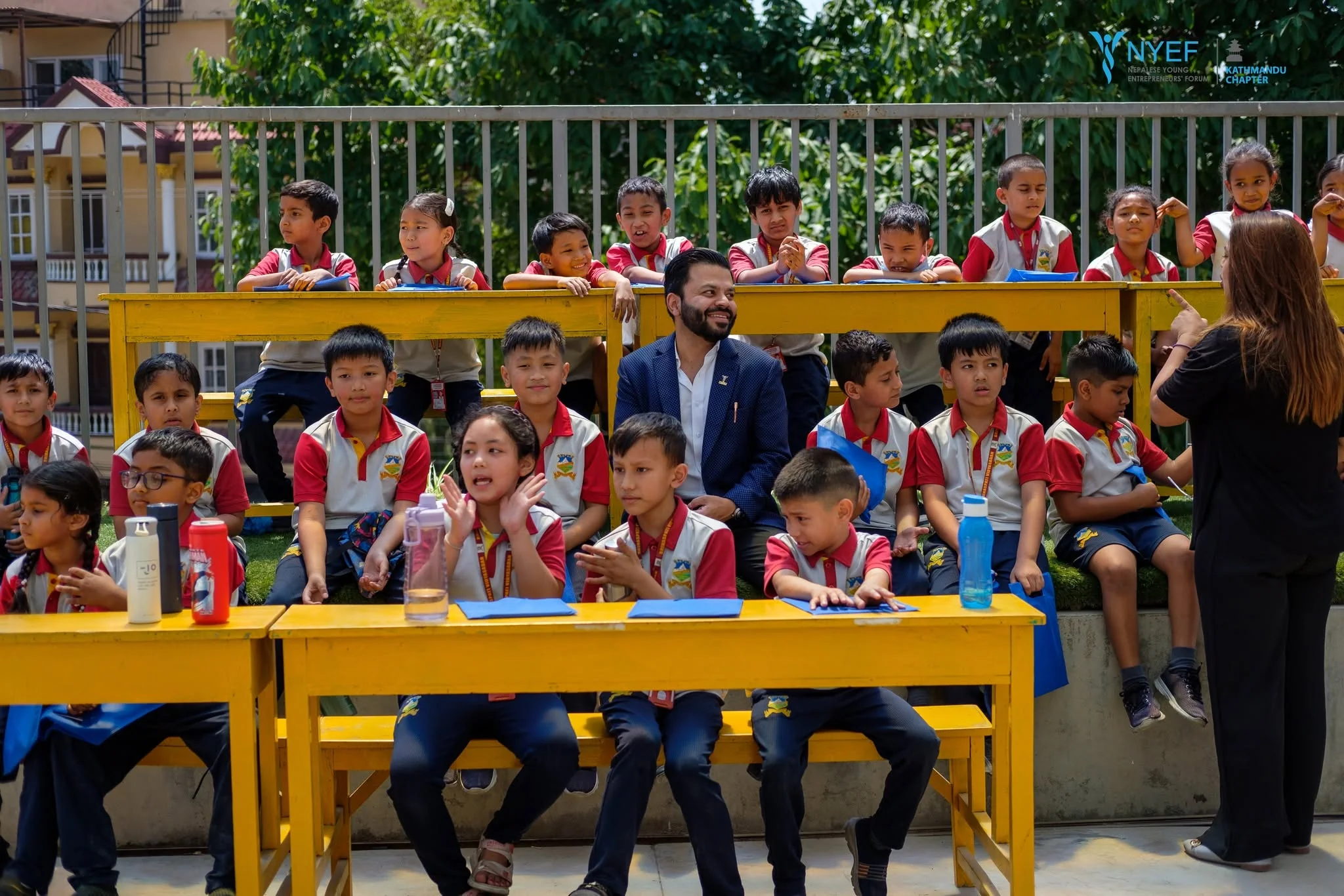
My work with the Nepalese Young Entrepreneurs’ Forum Kathmandu brought me into a different kind of community — young entrepreneurs, students and people who were trying to build something of their own.

As President of the Kathmandu Chapter, I saw how much energy already existed among young people.

The challenge was often not ambition.

It was access to networks, exposure, encouragement and opportunities to test an idea.

We worked on engaging colleges and students, encouraging participation in entrepreneurship and startup awards, and making recognition more meaningful by thinking about how award money could act as seed funding.

I became increasingly convinced that leadership is not simply about being given a title.

It is about being given enough trust and opportunity to do something with it.

When young people are given the space to participate, build and take responsibility, the impact extends well beyond one programme or one organisation.

THE LESSON

Change also happens by creating opportunities, building networks and enabling people to lead.

STORY 08
BEYOND THE DISTANCE

BEYOND THE DISTANCE

How much potential is lost simply because opportunity is somewhere else?

I have met many young people with ambition, ability and a genuine desire to build a better future.

But ability alone does not always create opportunity.

Project Kuhiro grew from that gap.

A deserving student from rural Nepal may have the ability and ambition to pursue higher education in Kathmandu, but still need practical support to make that possible.

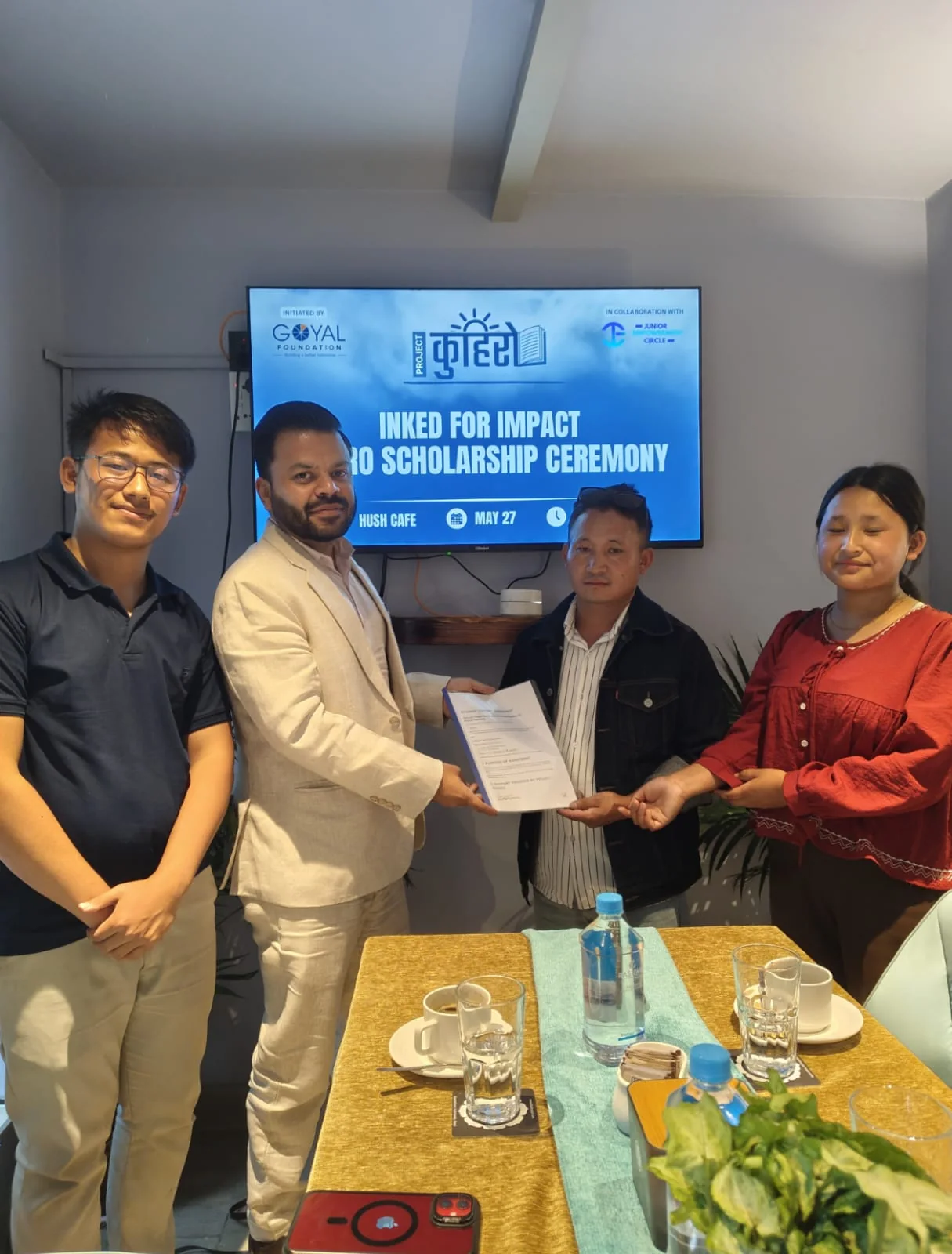
Working with the Goyal Foundation and Junior Empowerment Circle, the initiative supports students from rural Nepal pursuing higher education in Kathmandu.

For me, the idea is larger than education alone.

It is about making sure that geography does not quietly decide who gets a chance.

A student should be judged by their potential, not by the distance between their home and the opportunity they are trying to reach.

THE LESSON

Talent should not be limited by where someone is born.

STORY 09
THE AWARD THAT BELONGED TO EVERYONE

THE AWARD THAT BELONGED TO EVERYONE

What does recognition mean when you know you did not do the work alone?

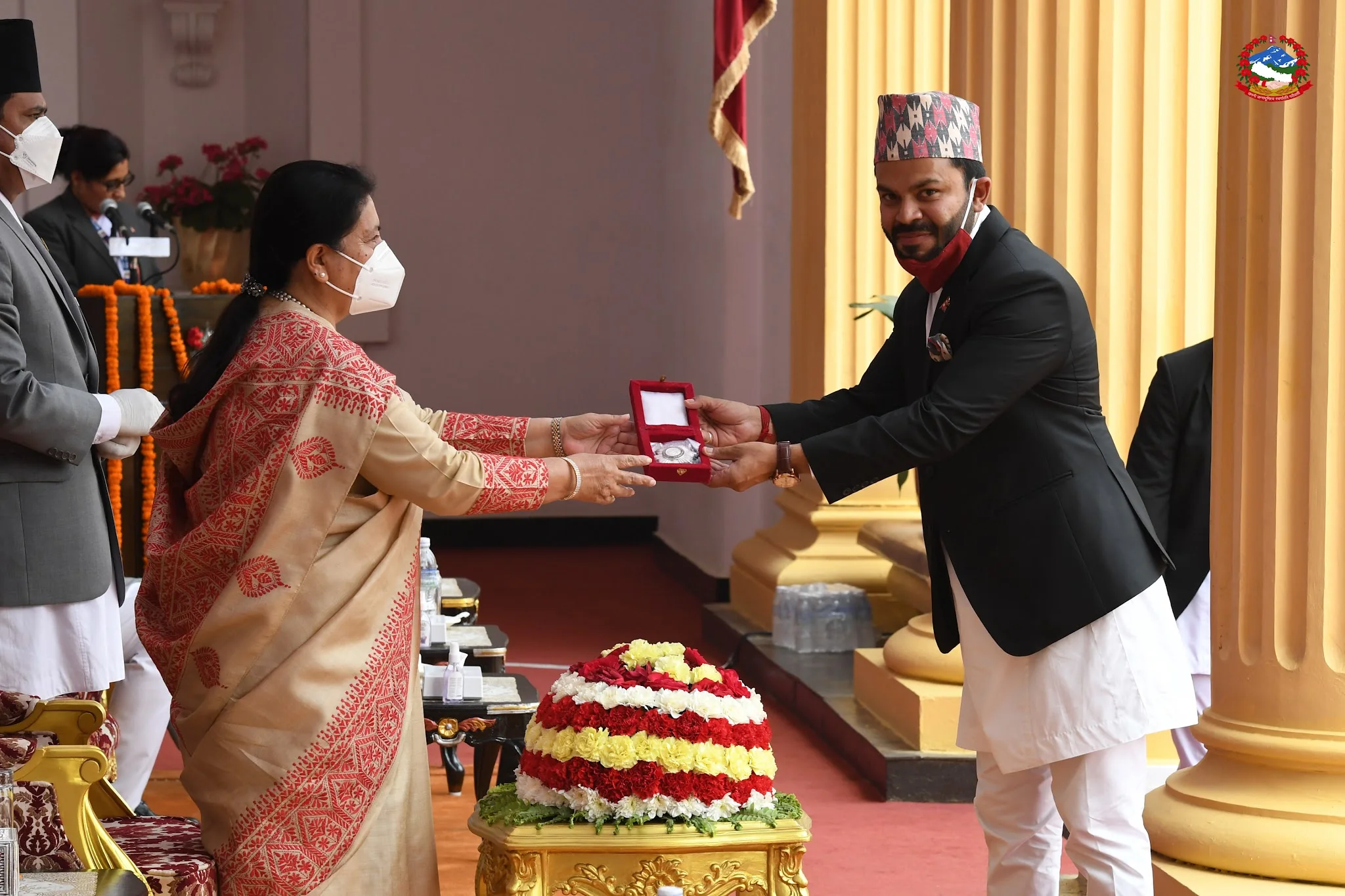
When my name was called at Sheetal Niwas in 2021, I walked forward to receive the Jana Sewa Shree award from the Rt. Hon. President of Nepal, Smt. Bidhya Devi Bhandari.

I remember smiling for the photographs, accepting the award, and feeling proud.

But somewhere in that moment, my mind went somewhere else.

I thought about the people who had been there long before that stage — the volunteers who stood beside me after the 2015 earthquake, the people who donated whatever they could, the drivers who carried supplies, the friends who answered calls at all hours, and later, the many who came together again during COVID-19.

Looking at the award in my hands, I knew one thing very clearly:

My name was on it, but the work belonged to everyone.

That moment changed the way I looked at recognition.

Because every achievement that appears to have one face behind it usually has hundreds of hands, hearts and stories behind it.

I accepted the award with gratitude — not just for the honour, but for everyone who had been part of the journey.

To me, the Jana Sewa Shree is still less a reminder of what I did, and more a reminder of what we can do when we come together.

THE LESSON

Recognition may carry one name, but meaningful work is rarely the work of one person.

STORY 10
WHEN ACCESS BECOMES THE CHALLENGE

WHEN ACCESS BECOMES THE CHALLENGE

What do you do when the situation changes faster than the plan?

Every disaster teaches something different.

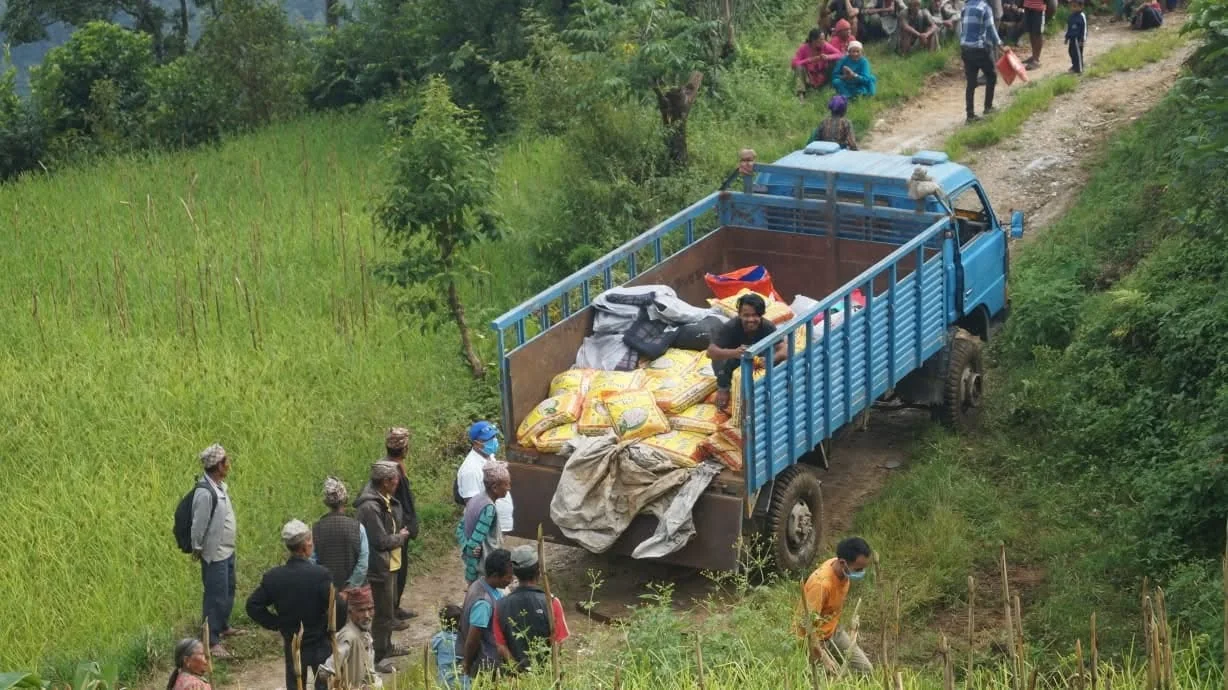
Flood relief reminded me that even when resources are available, getting them to the right place can become the hardest part of the response.

The first task is understanding the genuine need.

Then comes the practical question: who is closest to the problem, who knows the community, what resources are actually required, and how can they move?

In difficult terrain, roads can become unreliable or disappear altogether.

Weather changes.

Access changes.

The plan that looked sensible in the morning may not work by the afternoon.

That is why coordination matters.

Local knowledge can be as valuable as money.

A person who knows the community can tell you what is needed.

Someone else may have transport.

Another may have supplies.

Another may simply know the person who can open the next door.

The response becomes a network of small capabilities moving in the same direction.

That experience is one of the reasons I believe so strongly in what Ekjut is trying to build: when people, resources and knowledge can find one another quickly, a difficult situation becomes more manageable.

THE LESSON

In an emergency, coordination and local knowledge can matter as much as the resources themselves.

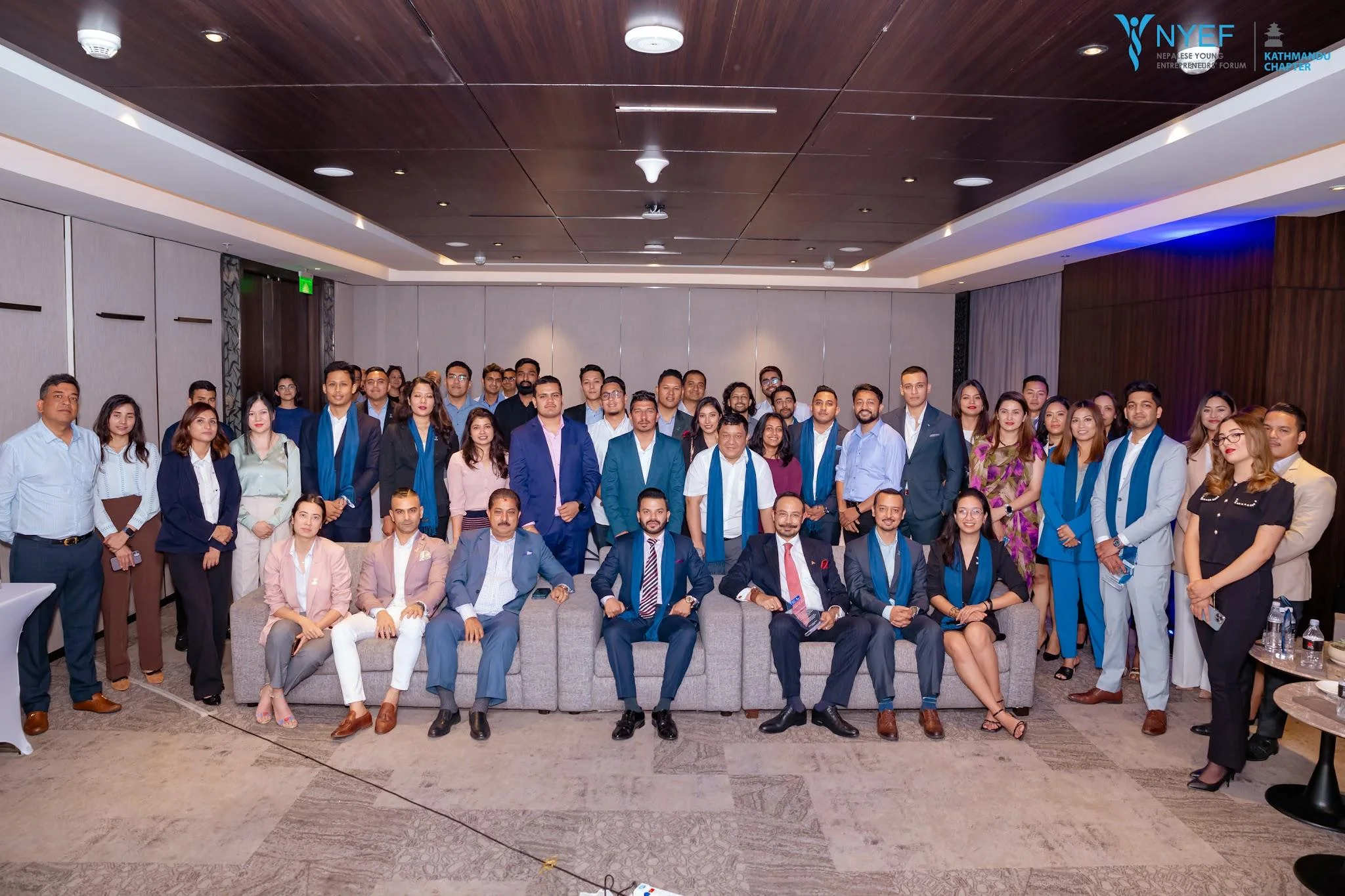
Community group photograph
THE THREAD THROUGH THESE STORIES

THE THREAD THROUGH THESE STORIES

People want to help. The opportunity is to bring them together.

Every chapter has been different.

The common thread has been the same:

  • Understand the need.
  • Find the people who can help.
  • Connect the right resources.
  • Stay close enough to learn what happens next.

Ekjut is the next expression of that belief.

MANY PEOPLE. ONE PURPOSE.CHIRAG GOYALPeople · Purpose · Possibility